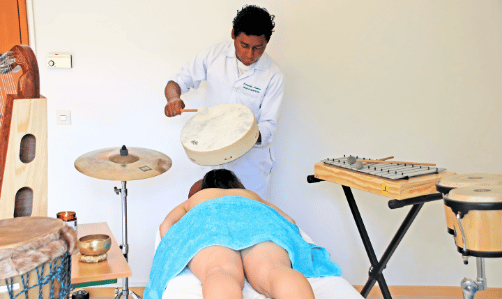
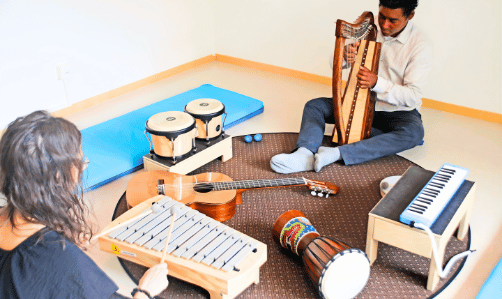
Preventive music therapy uses the power of music to actively promote physical, emotional, and mental health — before symptoms arise. Through regular, targeted sound and music interventions, resilience can be strengthened, stress reduced, and quality of life sustainably improved.
What Is Preventive Music Therapy?
Preventive music therapy is a proactive approach. Its goal is not treatment, but health promotion and personal strengthening — from childhood through older adulthood. Music is consciously used as a tool to buffer stress, foster inner balance, and activate personal resources. This distinguishes it from medically indicated music therapy, while remaining equally grounded and effective.
Music directly affects the nervous system — influencing heart rate, breathing, stress hormones, and emotional states. Scientific studies demonstrate that music can significantly reduce stress and enhance psychological well-being.
How Does Preventive Music Therapy Work?
Initial Assessment & Goal Setting
The process begins with a conversation. Together, we explore your life situation, experiences, and individual needs. From this, a personalized plan is developed — precisely tailored to your goals, challenges, and existing resources.
Personalized Music Interventions
Based on the assessment, the therapist selects appropriate music-based methods: listening, active music-making, composition, improvisation, or mindful music listening. Each intervention is aligned with your needs — whether relaxation, emotional processing, or creative stimulation.
Strengthening Emotional Resilience & Self-Expression
Music opens spaces for self-exploration and expression — emotions can be processed and inner balance restored. This form of prevention enhances self-esteem, self-efficacy, and emotional stability.
Integration Into Everyday Life
Music becomes part of daily life — as a sound routine, relaxation ritual, or creative pause. This integration connects therapy with everyday experience and ensures long-term impact and sustainability.
Ongoing Support & Adaptation
Music therapy is a dynamic process. The therapist accompanies, reflects, and adjusts interventions as needed — ensuring that music remains a lasting element of personal well-being.
Optional Group Work & Community Building
In group sessions, an additional social dimension emerges: music connects people, fosters community, and supports social skills, communication, and joy in life.
What Are the Benefits?
Stress and anxiety reduction: Music calms the nervous system and lowers stress hormones — a powerful preventive factor against burnout and chronic strain.
Strengthening mental health: Music supports emotional regulation, improves mood, reduces anxiety, and can alleviate symptoms of depressive states.
Improvement of physical well-being: Music influences physiological processes — heart rate, breathing, and relaxation — contributing to overall health.
Promotion of creativity, self-awareness, and expression: Music provides space for expression, supports creative processes, and helps unfold inner potential.
Social connection and community: Especially in group settings, music strengthens social bonds, mutual support, and a sense of belonging — essential for psychological stability and social health.
Long-term prevention and quality of life: Preventive music therapy focuses on sustainable stabilization — an investment in health, resilience, and life satisfaction over time.
Who Is Preventive Music Therapy For?
Individuals seeking a balanced, low-stress lifestyle and wishing to protect their quality of life proactively.
Parents who want to support their child’s emotional and creative development.
People in demanding life phases — such as students, professionals, or caregivers — who wish to reduce stress sustainably.
Older adults aiming to age mentally and emotionally healthy.
Anyone who wants to use music as a resource for well-being, self-awareness, and inner balance.
Why You Should Act Now
The health and psychological challenges of our time — stress, isolation, accelerated lifestyles — require preventive strategies. Preventive music therapy is a proven, scientifically grounded, and creative method for addressing these challenges effectively.
Music is not merely sound — it is a tool, a companion, a resource. By consciously integrating music into your life, you create a stable foundation for emotional and mental health, inner strength, and lasting joy.
Bibliographic Reference
ABNT
- DOS SANTOS, Ednaldo. Preventive Music Therapy. Ednaldo Music Therapy, [publication date]. Available at: https://ednaldomusiktherapie.de/en-us/en-blog/preventive-music-therapy . Accessed on: [access date].
APA (7th edition)
- Dos Santos, E. ([year]). Preventive music therapy. Ednaldo Music Therapy. https://ednaldomusiktherapie.de/en-us/en-blog/preventive-music-therapy
Vancouver (numeric style)
- Dos Santos E. Preventive music therapy [Internet]. Ednaldo Music Therapy; [year] [cited YYYY Mon DD]. Available from: https://ednaldomusiktherapie.de/en-us/en-blog/preventive-music-therapy
Learn More About Music Therapy
If you are interested in music therapy or would like to know whether this work fits your needs, feel free to contact me.
Email: contact@ednaldomusictherapy.com
WhatsApp: +49 157 54239376