When I tell friends, family, or acquaintances that I am a music therapist, many react with surprised looks and ask: “Music what?” or “So you make music so someone feels better?” Some even say, “Ah, so you just play a song to make the person happy — cool!”
But music therapy is far more than that. To this day, there is no single standardized definition — one reason lies in the immense diversity of methods, fields of application, target groups, and therapeutic goals.
My Definition of Music Therapy
For me, music therapy means the conscious and structured use of sound resources — including silence — within a therapeutic process. The goal may be prevention, rehabilitation, or treatment. Music therapy aims to strengthen, stimulate, or further develop the neurological, psychological, physical, and social capacities of clients.
In short, music therapy seeks to reduce health risks and/or stabilize and promote existing resources and abilities — whether in individual or group settings.
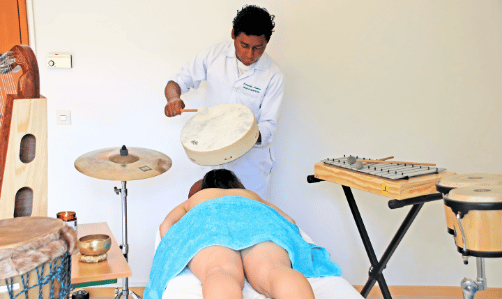
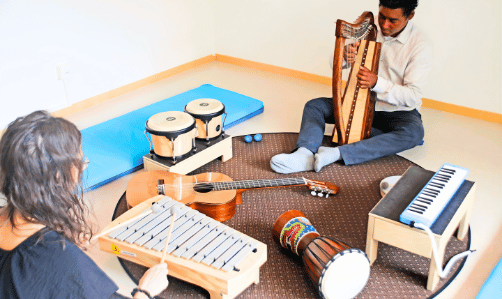
Therapeutic Setting – What a Session May Look Like
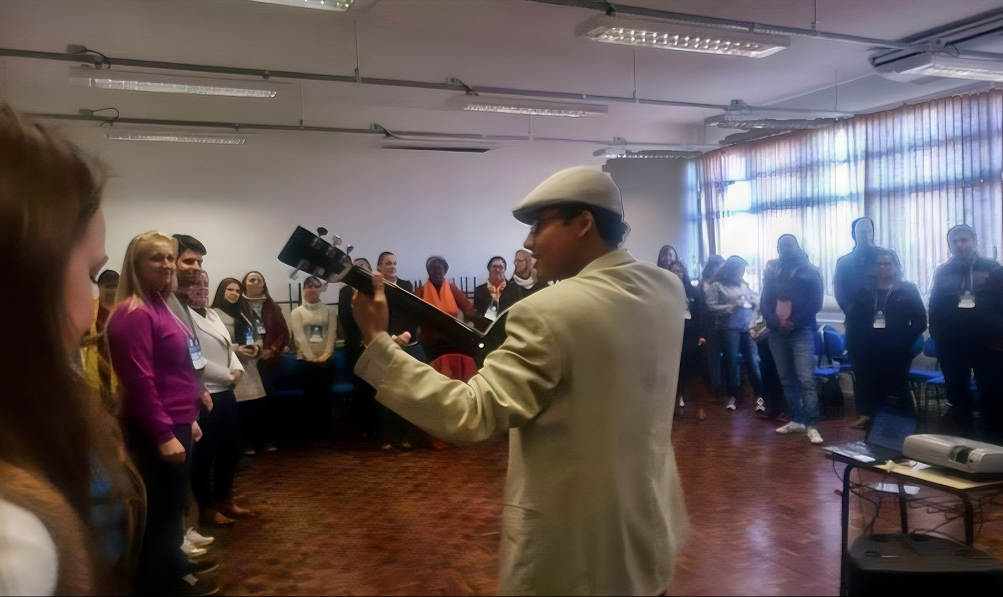
In a music therapy session, a wide range of sound elements may be used:
- Harmonies, melodies, or rhythms — with or without classical musical structure
- Live music or recorded material
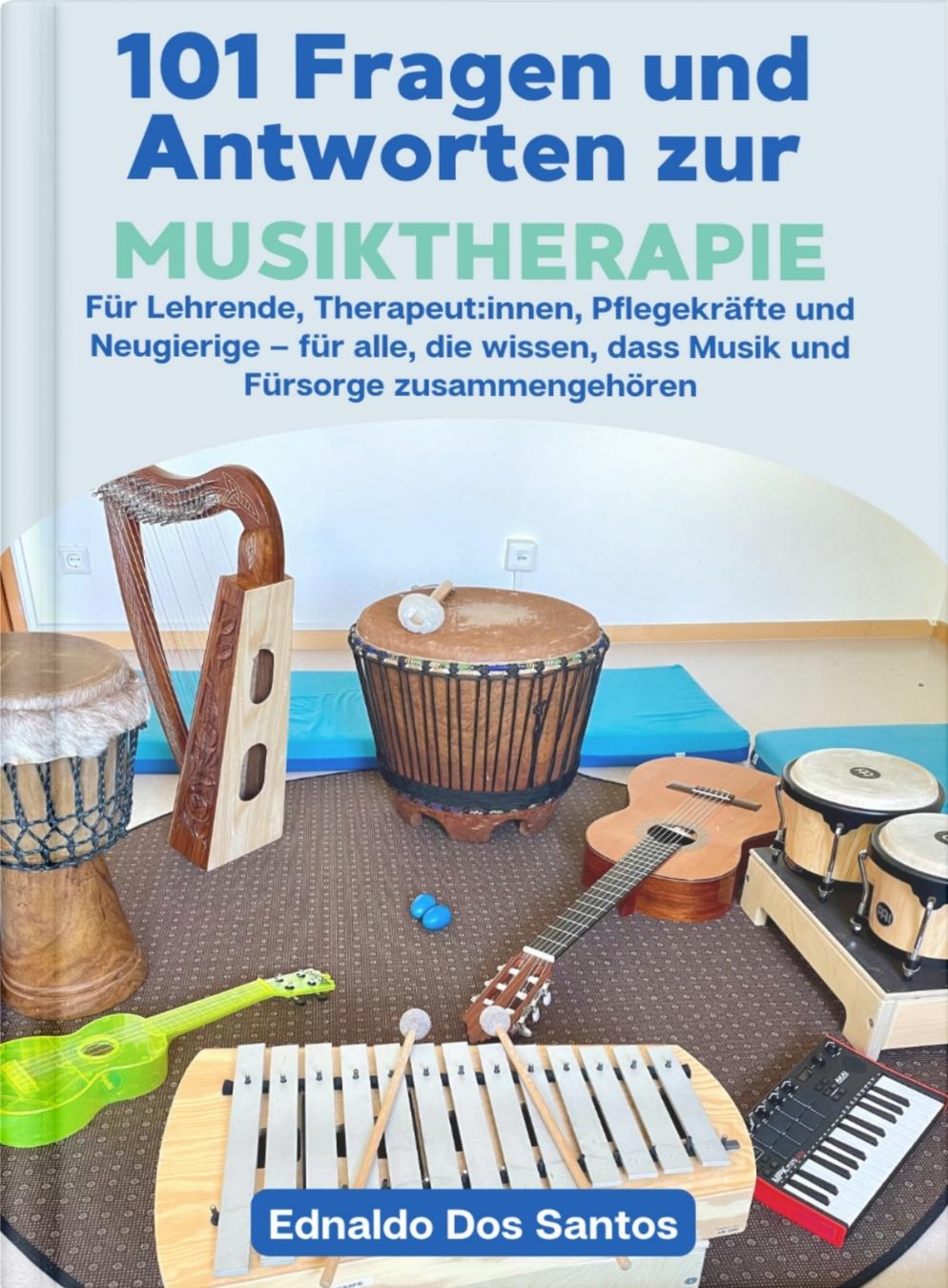
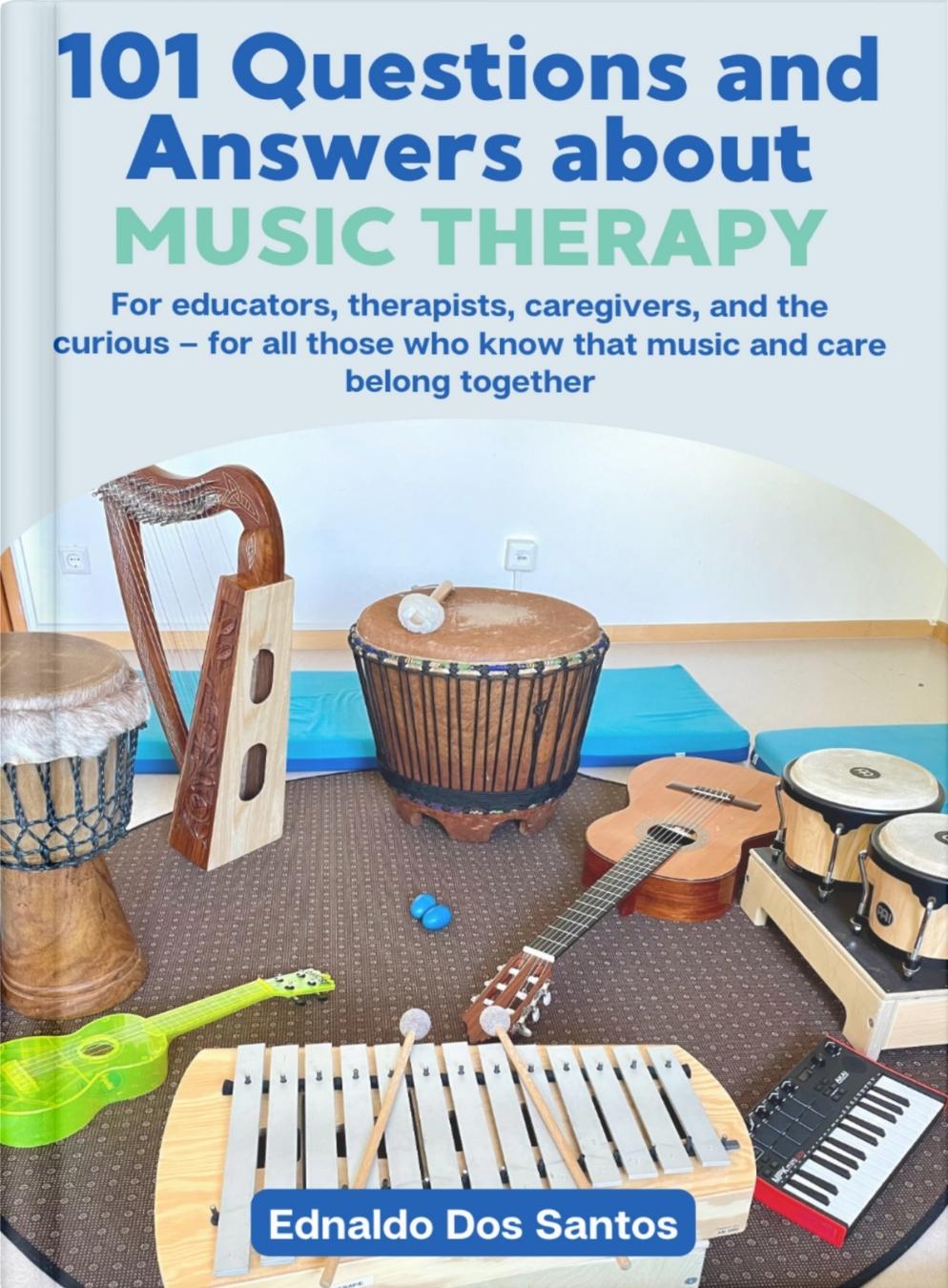
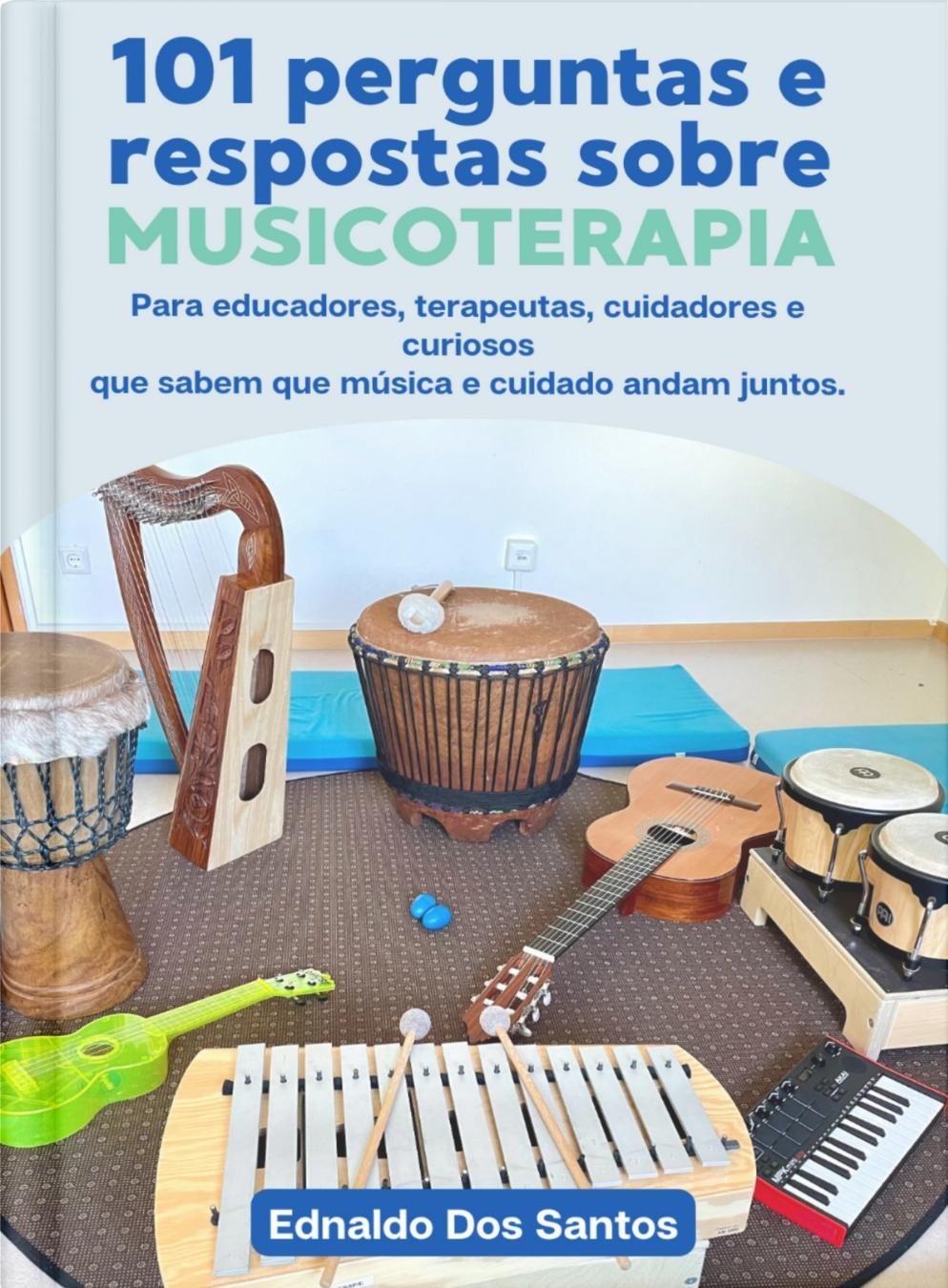
- Various musical instruments, natural sounds, and everyday noises
- Objects and materials that produce sound or allow for silence
Depending on the therapist and the goal of the session, the approach varies — always tailored to the individual.
Who Is Allowed to Be a Music Therapist?
Unlike in some countries, Germany (and partly the German-speaking region in general) does not have a uniform legal regulation recognizing music therapy as a protected healthcare profession. ([socialnet.de][1])
Nevertheless, academic degree programs and recognized training pathways have existed for many years:
- Bachelor’s and Master’s degree programs are offered at public universities. ([Wikipedia][2])
- Admission usually requires a higher education entrance qualification and musical aptitude. ([musiktherapie.de][3])
- Training includes music theory, psychology, therapeutic practice, clinical skills, and reflective competencies. ([musiktherapie.de][3])
- Many graduates obtain certification from the German Music Therapy Association (DMtG). ([musiktherapie.de][4])
This means that sound education, methodological expertise, and ethical standards are essential for serious music therapy practice. (In my opinion, this should be transparent — especially for both clients and therapists.)
Why Music Therapy Is Relevant Today
Music therapy is a recognized discipline operating at the intersection of music, medicine, psychology, and social work. ([musiktherapie.de][5])
In clinical, educational, or social contexts — such as psychiatry, geriatrics, rehabilitation, and child and youth services — it can reach people who are often difficult to engage through conventional therapeutic approaches. ([praktischArzt][6])
For many individuals, music provides access to inner processes — regardless of language, educational background, or physical condition. (I see great potential here for healing and personal development.)
Why I Write About Music Therapy — and What You Can Expect
With this article, I aim — as with my original blog — to contribute to greater understanding of music therapy in the German-speaking world.
In a follow-up article, I will address training opportunities in Germany, Austria, and Switzerland, including practical guidance on what to consider when choosing a program.
[1]: https://www.socialnet.de/lexikon/Musiktherapeutin-Musiktherapeut?
[2]: https://www.musiktherapie.de/musiktherapie/studium-ausbildung/?
[3]: https://www.musiktherapie.de/wp-content/uploads/2022/11/Zertifizierungsordnung_DMTG-2022-10-29.pdf?
[4]: https://www.musiktherapie.de/musiktherapie/was-ist-musiktherapie/?
[5]: https://www.praktischarzt.de/medizinische-berufe/musiktherapeut/?
Bibliographic Reference
ABNT
- DOS SANTOS, Ednaldo. What Is Music Therapy?. Ednaldo Music Therapy, August 16, 2024. Available at: https://ednaldomusiktherapie.de/en-us/en-blog/what-is-music-therapy . Accessed on: December 3, 2025.
APA (7th edition)
- Dos Santos, E. (2024, August 16). What is music therapy?. Ednaldo Music Therapy. https://ednaldomusiktherapie.de/en-us/en-blog/what-is-music-therapy
Vancouver (numeric style)
- Dos Santos E. What is music therapy? [Internet]. Ednaldo Music Therapy; 2024 Aug 16 [cited 2025 Dec 03]. Available from: https://ednaldomusiktherapie.de/en-us/en-blog/what-is-music-therapy
Learn More About Music Therapy
If you are interested in music therapy or would like to know whether this work suits your needs, feel free to contact me.
Email: contact@ednaldomusictherapy.com
WhatsApp: +49 157 54239376