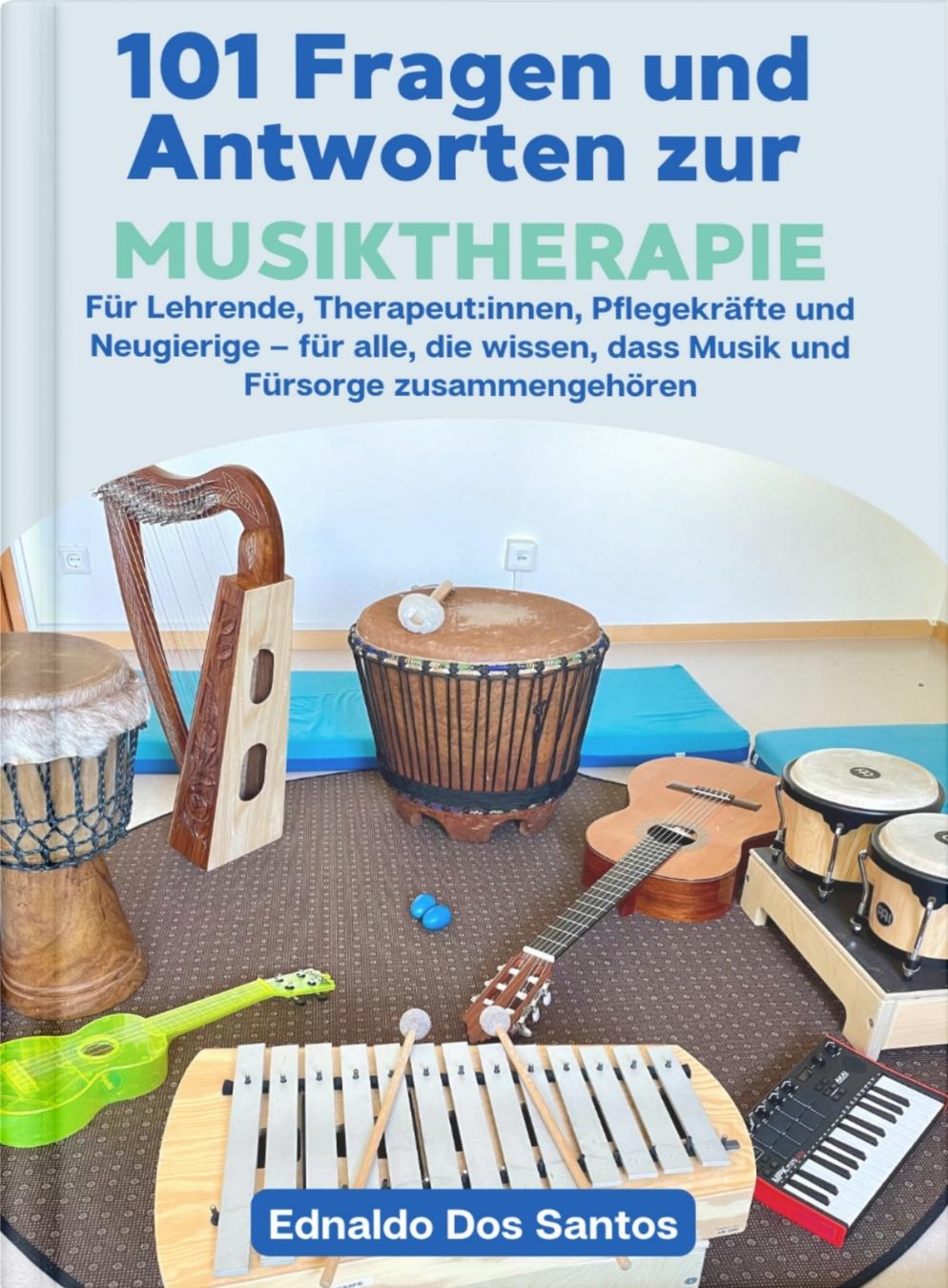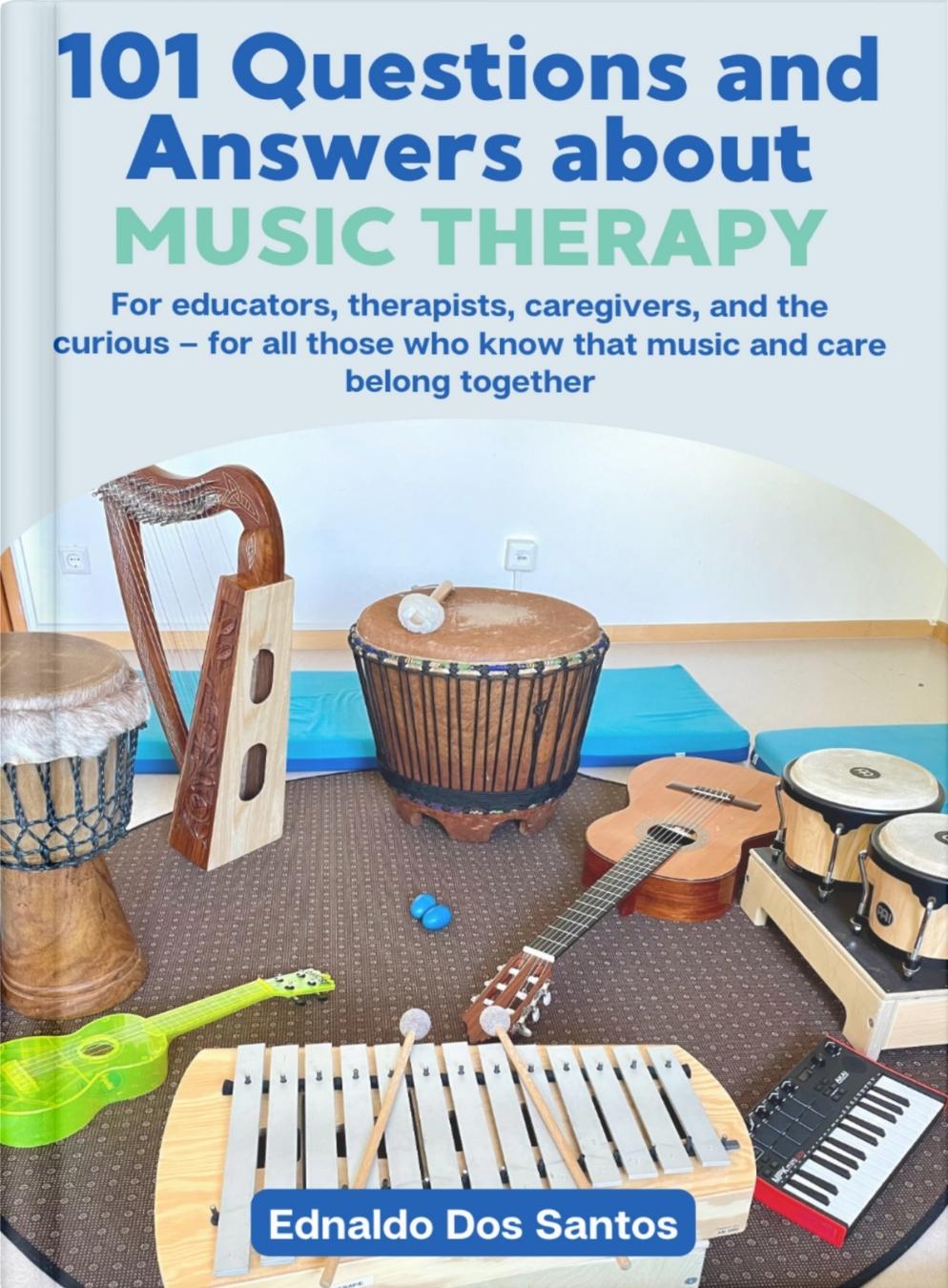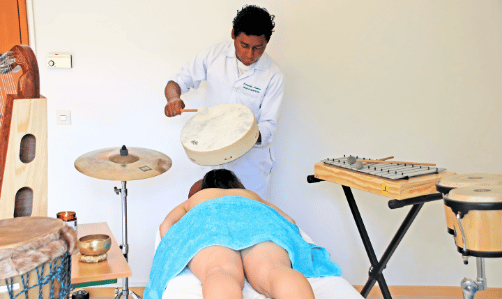

Music therapy is a therapeutic approach that uses music as a means to promote physical, neurological, and psychological benefits for individuals. It is not limited to people with disabilities or disorders, but can be beneficial for everyone, including in the prevention of illness.
Music Therapy in the Physiological Domain
On a physical level, music therapy can influence body temperature, heart rate, blood circulation, and breathing. Playing a musical instrument or listening to music with specific rhythms can induce states of relaxation or activation and regulate bodily rhythms. In addition, sounds stimulate the production of hormones such as endorphins, serotonin, dopamine, and noradrenaline, which are associated with well-being, mood regulation, pain relief, concentration, and memory stimulation. Music therapy is also applied in fertility clinics to improve sperm and egg quality, as well as to address psychologically related sexual difficulties.
Music Therapy in the Psychological Domain
In the psychological field, music is used to treat mental disorders, reduce stress, improve self-control and emotional regulation, and address trauma and conditions such as depression, bipolar disorder, and schizophrenia. Studies show that music therapy can reduce aggression, enhance self-esteem, and improve academic performance, interpersonal relationships, and future outlook.
Many people turn to music during moments of sadness, and sharing musical preferences and emotional experiences can also support others.
Music Therapy in the Neurological Domain
In the neurological domain, music therapy has proven to be highly promising by stimulating brain areas related to concentration, memory, cognition, auditory perception, and the formation of new neural connections. It has been successfully used with individuals with multiple sclerosis, autism, and Alzheimer’s disease to improve memory, language, attention, and focus.
Music Therapy in the Physical Rehabilitation Domain
On a physical level, music can increase physical endurance, improve motor coordination, and support the rehabilitation of individuals with physical impairments. In addition, music therapy is used for pain management and recovery in hospitalized patients. Studies indicate that listening to music before, during, and after surgery can reduce pain perception and the need for analgesic medication.
These are just some of the benefits that music therapy can offer. It is widely applied in diverse therapeutic contexts, and its effectiveness has been supported by scientific research.
Bibliographic Reference
ABNT
- DOS SANTOS, Ednaldo. Benefits of Music Therapy. Ednaldo Music Therapy, [publication date]. Available at: https://ednaldomusiktherapie.de/en-us/en-blog/benefits-of-music-therapy . Accessed on: [access date].
APA (7th edition)
- Dos Santos, E. ([year]). Benefits of music therapy. Ednaldo Music Therapy. https://ednaldomusiktherapie.de/en-us/en-blog/benefits-of-music-therapy
Vancouver
- Dos Santos E. Benefits of music therapy [Internet]. Ednaldo Music Therapy; [year] [cited YYYY Mon DD]. Available from: https://ednaldomusiktherapie.de/en-us/en-blog/benefits-of-music-therapy
Learn More About Music Therapy
If you are interested in music therapy or would like to know whether this work suits your needs, feel free to contact me.
Email: contact@ednaldomusictherapy.com
WhatsApp: +49 157 54239376